Exceptional Leadership in 2025: Traits & Qualities That Set Leaders Apart
In a world defined by complexity, hybrid work, cross-functional collaboration and constant transformation, exceptional leadership looks different than it did even five years ago. Today’s leaders must mobilise people across boundaries, create clarity where none exists, and maintain psychological steadiness under pressure - all while delivering results at pace.
Exceptional leadership isn’t innate. It is a learnable set of behaviours grounded in emotional intelligence, behavioural science, and the discipline of continual development.
Below, you’ll find a research-backed perspective on what sets exceptional leaders apart - and how these qualities translate into measurable impact for teams, organisations and transformation agendas.
What Is Exceptional Leadership?
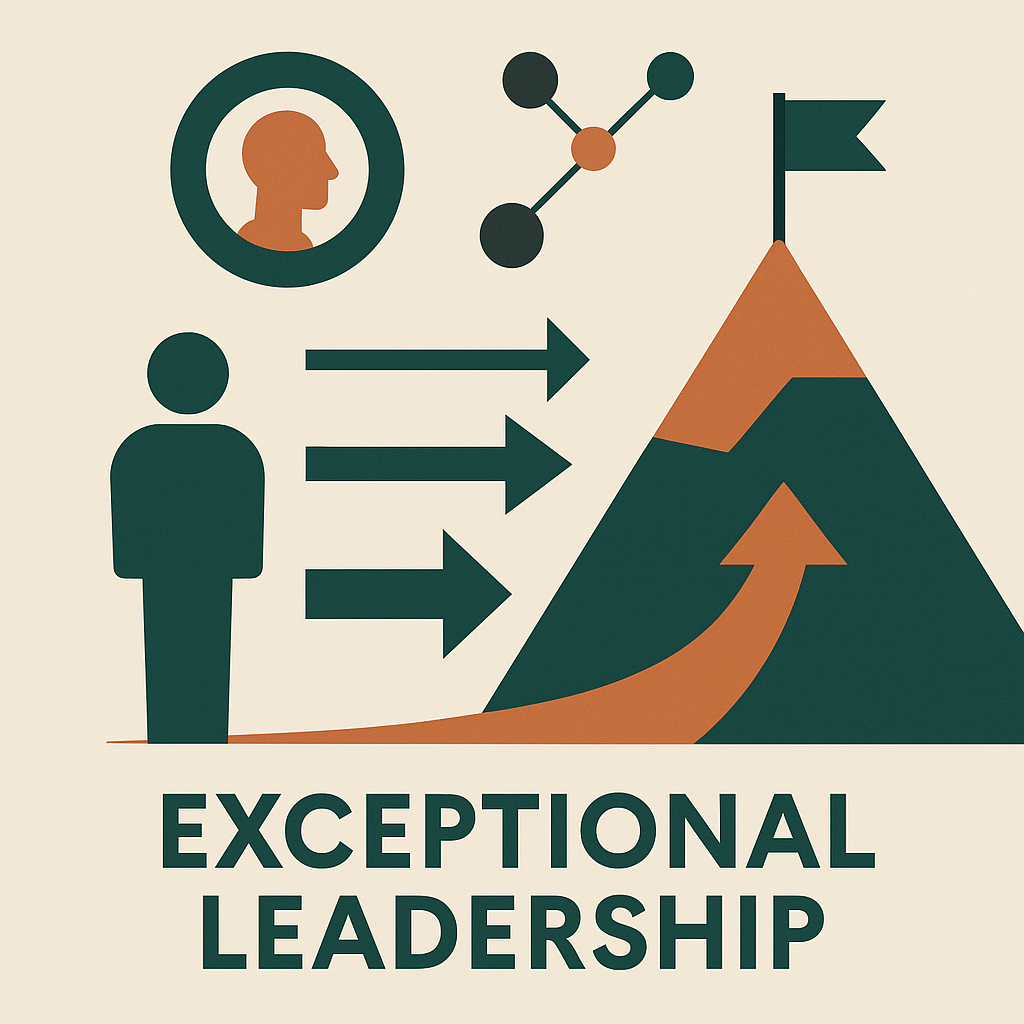
Exceptional leadership is the ability to create clarity, alignment and sustained performance by combining self-awareness, skilled interpersonal behaviour and intentional habit formation.
This definition blends three behavioural pillars:
Self-regulation & emotional intelligence (Goleman, 2004; Boyatzis, 2008)
Interpersonal and systemic awareness (psychological safety, team dynamics, matrix complexity) (Edmondson, 2019)
Behavioural consistency under pressure (habits, resilience, intentional change)
Exceptional leaders consistently do what average leaders do only occasionally.
The 7 Traits of Exceptional Leaders (Based on Behavioural Science)
1. Emotional Intelligence (EI) Applied to Real Leadership Challenges
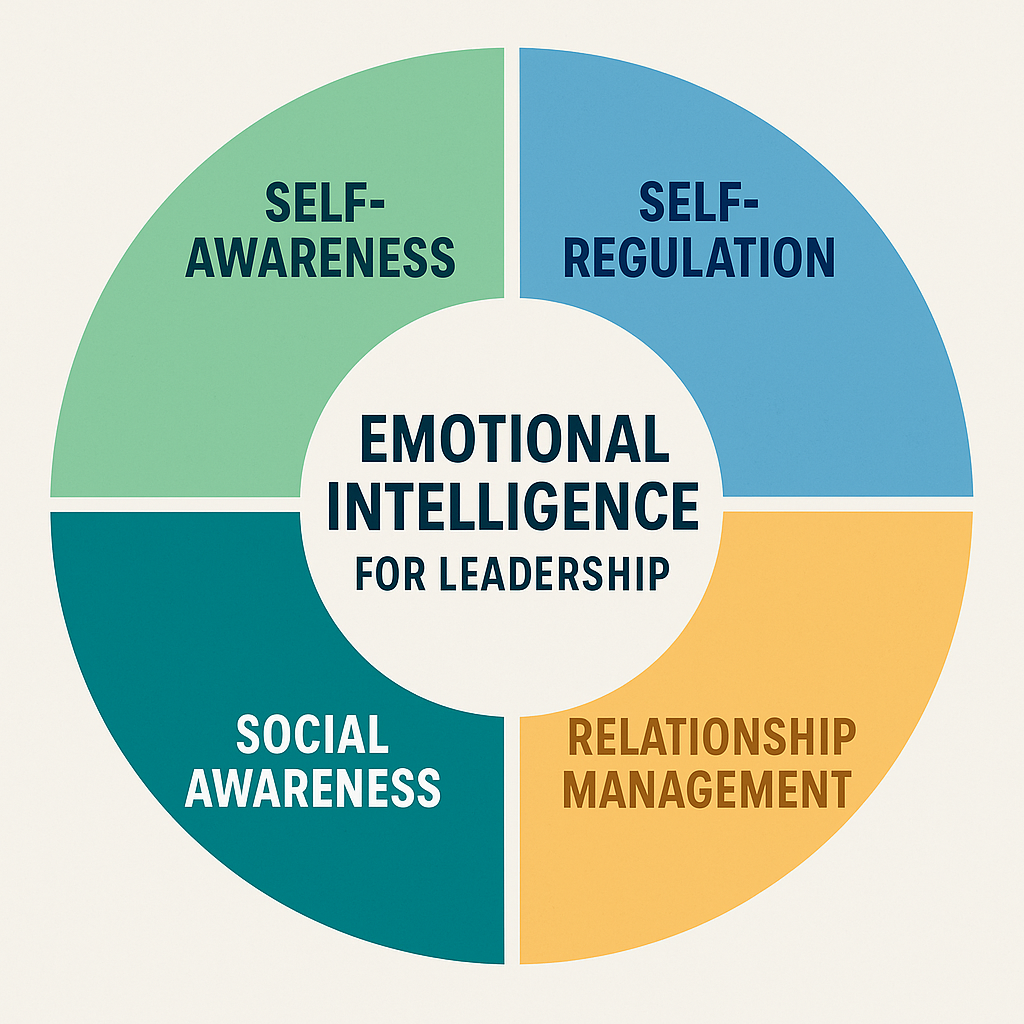
Exceptional leaders don’t just “have” EI - they apply it in moments of stress, conflict and ambiguity (Goleman, 1998, 2004):
EI shows up in five high-impact behaviours:
Reading the room
Regulating emotional triggers
Staying curious instead of defensive
Listening beyond words
Responding with clarity, not intensity
Leaders with well-developed Emotional Intelligence create trust, psychological safety and stronger cross-functional collaboration (Boyatzis & McKee, 2005; Edmondson, 2019).
2. Clarity Creation in Moments of Complexity
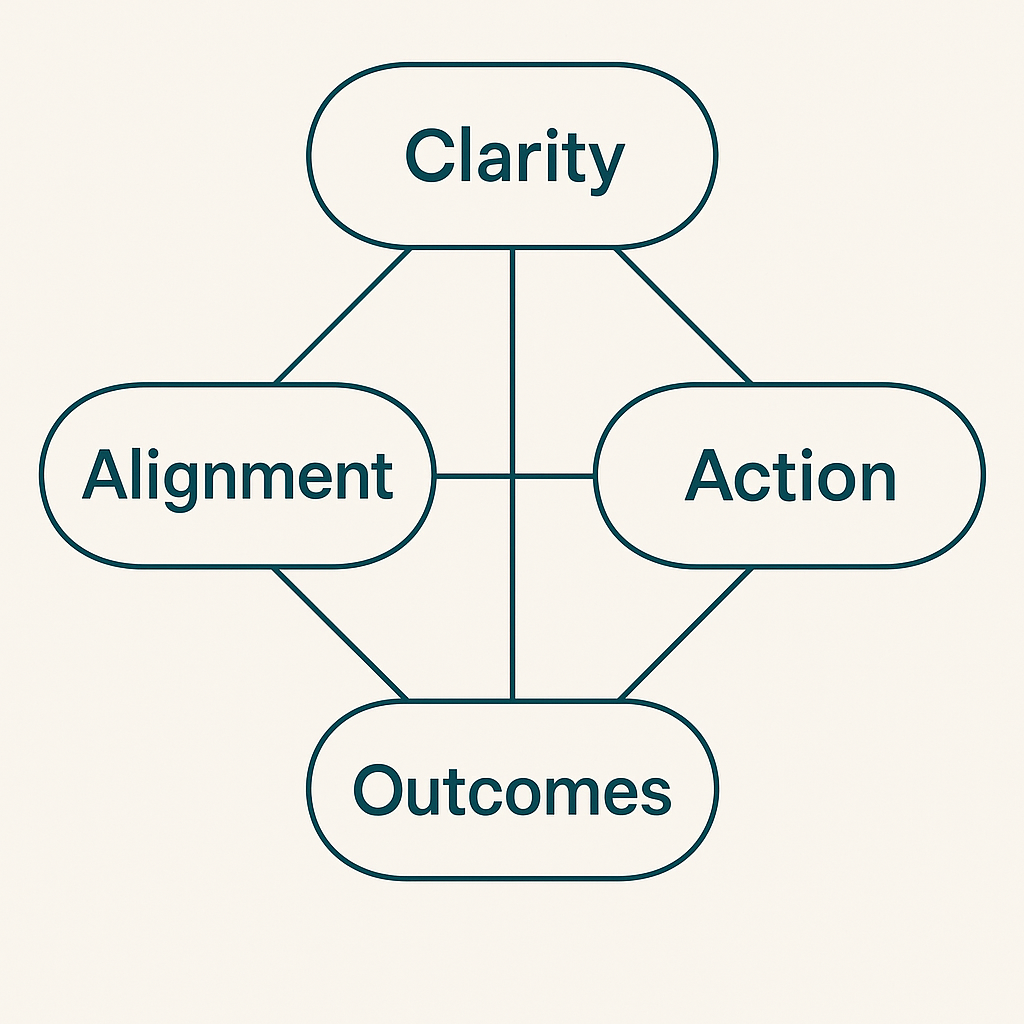
Clarity, alignment, action and outcomes are interdependent - exceptional leadership integrates all four into a coherent behavioural system.
In matrix and hybrid organisations, ambiguity is the default. Exceptional leaders make complexity digestible, translating uncertainty into direction (Kotter, 1996; Drucker, 2006).
They answer three questions repeatedly and consistently:
What are we really trying to achieve?
What matters most right now?
How will we decide and communicate?
McKinsey’s organisational health research identifies role clarity as one of the strongest predictors of high performance and effective execution (McKinsey, 2024).
3.Psychological Safety: The Behavioural Foundation of Exceptional Leadership
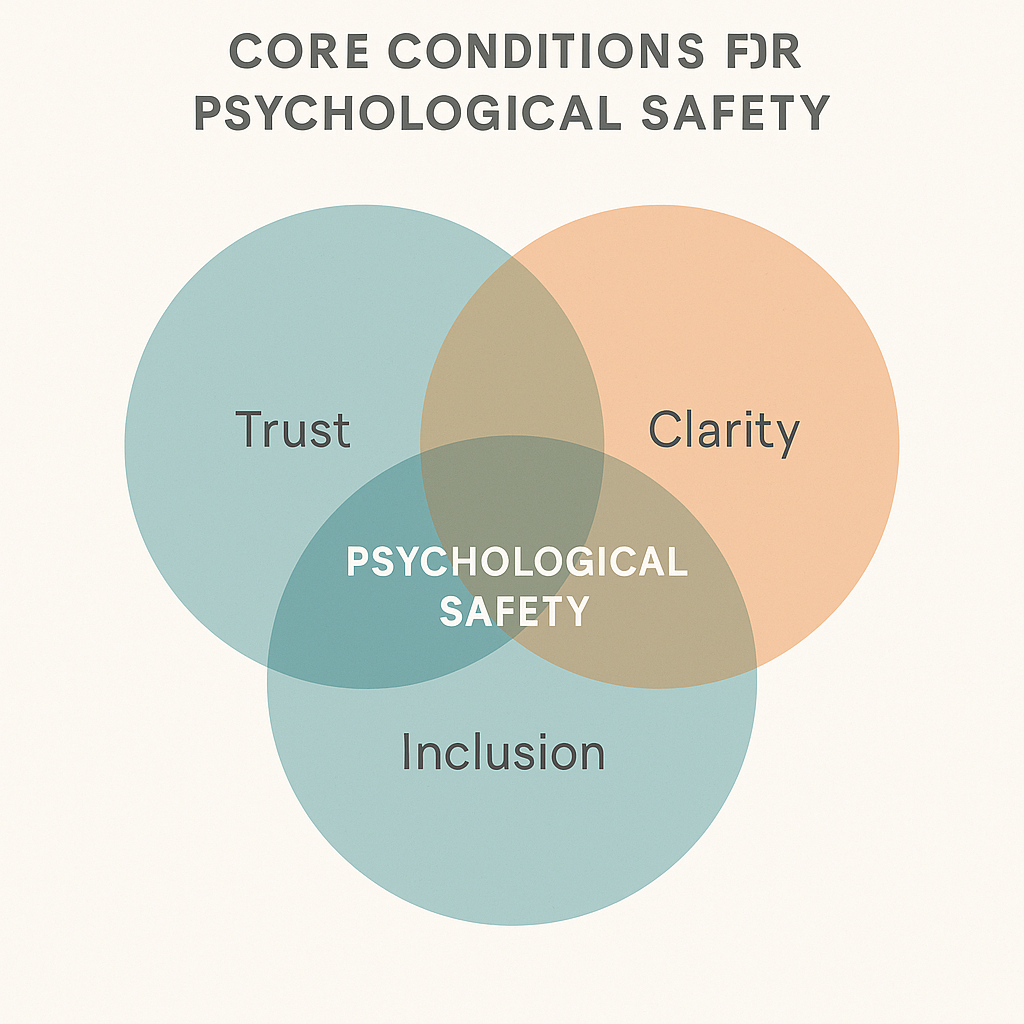
Psychological safety emerges when trust, clarity and inclusion overlap - creating the conditions for open dialogue, risk-taking and high performance.
Teams perform at their best when people feel safe enough to express ideas, concerns and insights without self-censorship. Exceptional leaders cultivate this by building trust, communicating with clarity and ensuring everyone feels included. When these conditions overlap, psychological safety emerges, allowing teams to make better decisions, move faster and collaborate more effectively.
4. Resilience: Staying Steady When Stakes Are High
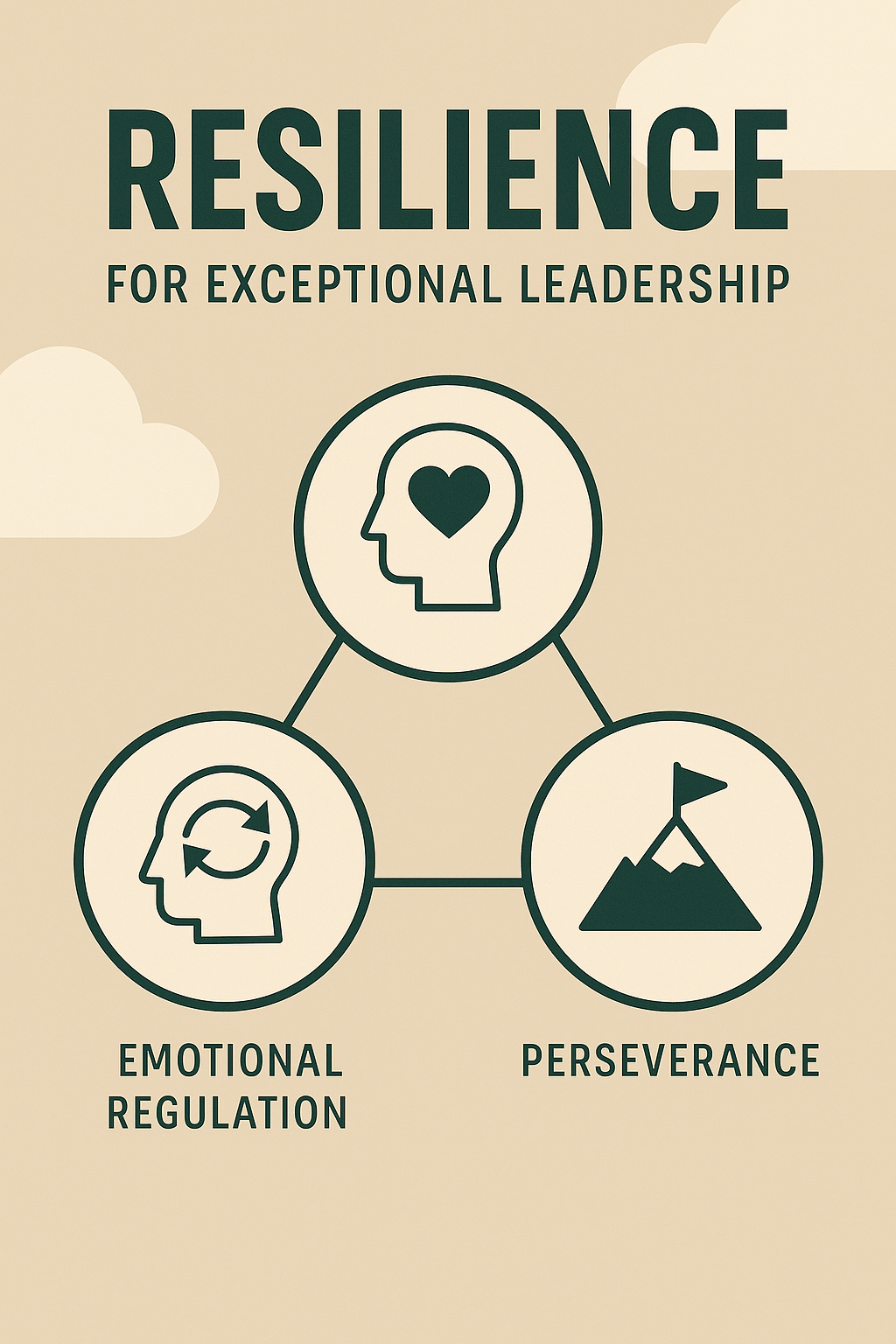
Resilient leaders regulate their emotions, adapt to changing conditions and persevere through challenges - three behaviours that sustain performance under pressure.
Behavioural science shows that leaders who can maintain psychological steadiness in pressure moments significantly reduce team anxiety and reactivity.
Exceptional leaders:
Slow the pace internally (breathwork, grounding habits)
Reduce cognitive load for others
Signal confidence through calm, deliberate behaviour
Their presence stabilises teams and protects decision quality (Heifetz & Linsky, 2002).
5. Relational Intelligence: Building Trust Across Borders
Cross-functional teams only perform when relationships work (Carnegie, 1990; Uhl-Bien, 2006). Exceptional leaders invest deliberately in:
Micro-behaviours that build trust
Regular sense-making conversations
Conflict de-escalation
Bridging competing priorities
They understand that performance flows through relationships, not reporting lines (Google Project Aristotle, n.d.).
6. Strategic Perspective + Systems Thinking
Exceptional leaders hold two time horizons in mind:
Now - what is essential in the next 90 days?
Next - how do today’s decisions shape the wider system?
They see patterns others miss, anticipate constraints early, and build long-term capability, not just short-term output.
7. Courageous Conversations
Leaders build culture through the conversations they allow and the ones they avoid. Behavioural science shows that avoidance creates misalignment and fosters dysfunction.
Exceptional leaders practise “clean communication”:
Naming tensions early
Addressing expectations directly
Giving feedback transparently
Normalising discomfort
Teams follow leaders who face reality.
8. Habit Discipline & Behavioural Consistency
Exceptional leaders don’t rely on motivation. They build systems of habits that shape daily behaviour.
Examples include:
Weekly reflection rituals (Kolb, 1984)
Visibility practices for hybrid teams
Decision logs
Identity-based habits (“I am the kind of leader who…”)
Consistent behaviour builds credibility - and credibility builds influence.
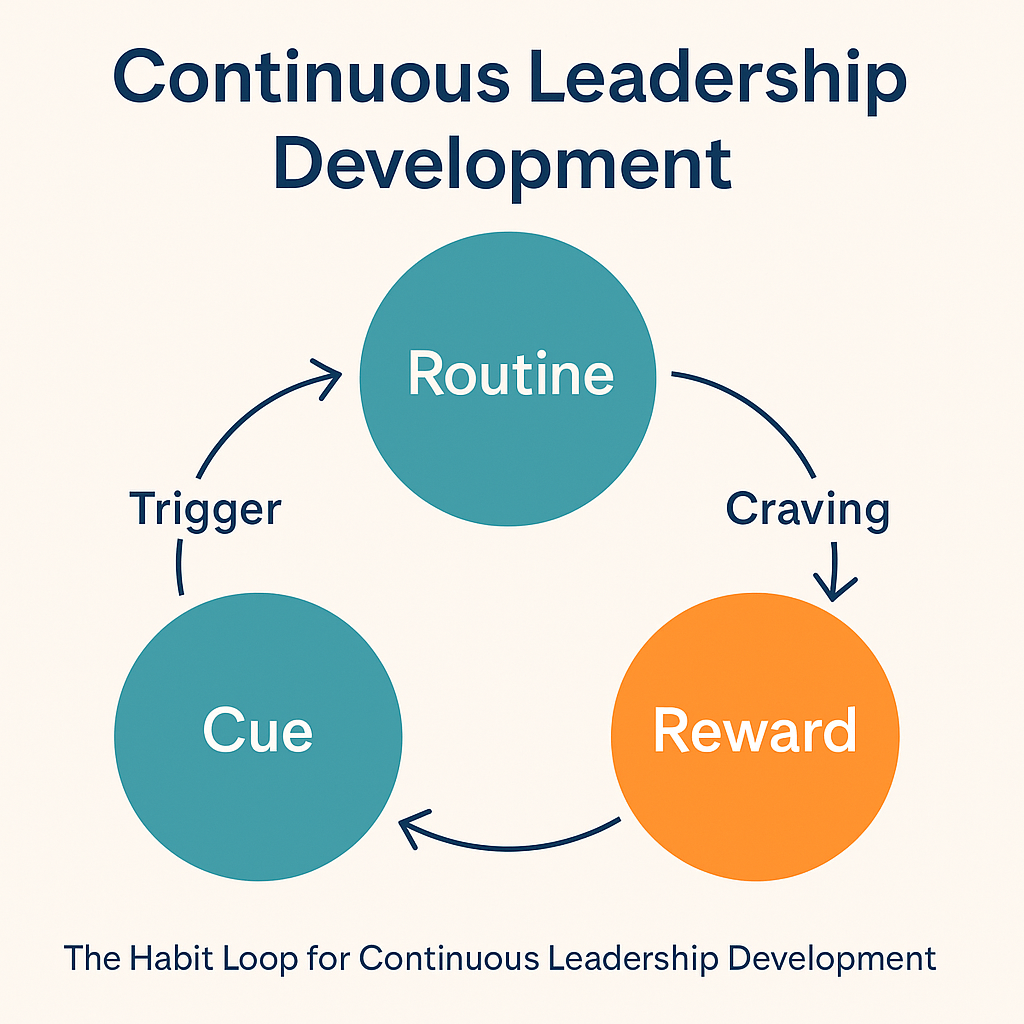
Lasting leadership behaviours are built through consistent habit loops, where a clear cue triggers a routine and a meaningful reward reinforces the cycle.
Lead smarter. Think deeper.
Get monthly insights on leadership psychology, team dynamics and the neuroscience behind high performance - straight from the boardroom to your inbox. Subscribe to Insights →
Why These Traits Matter for Team & Organisational Performance
Exceptional leadership is not about charisma or personality. It is a repeatable behavioural pattern that creates:
Faster decision-making
Higher psychological safety
Reduced cross-functional conflict
Better execution during transformation
Improved talent retention
Higher engagement and trust (Gallup, 2024, 2025)
These traits compound: a leader who is clear, emotionally intelligent and behaviourally consistent creates conditions where teams thrive - even in high-stress, ambiguous environments.
How Leaders Can Develop These Capabilities
Behavioural change requires awareness + reflection + experimentation + accountability.
The most effective development integrates:
Executive Coaching (individualised insight + behaviour change)
Diagnostics like Hogan or Emotional Intelligence tools
Team Coaching to reshape interpersonal norms
Habit formation systems
Real-time leadership reflections and scenario practice
Leaders grow fastest when support combines psychology, behavioural science and practical coaching.
If you want to strengthen your leadership impact
Explore our coaching services:
→ Executive Coaching for Senior Leaders
→ Team Coaching & Leadership Team Development
→ Diagnostics for Leadership & Team Performance
Frequently Asked Questions about Exceptional Leadership
What makes someone an exceptional leader?
A blend of self-awareness, emotional regulation, relational intelligence, strategic perspective and consistent behavioural discipline. It is not about personality — it is about how you show up under pressure.
Can leadership traits be developed?
Yes. Behavioural science shows that leadership capability is highly learnable through intentional practice, feedback, coaching and small habit changes over time.
Which leadership traits matter most today?
In 2025, the most valuable traits include emotional intelligence, clarity creation, resilience, systemic thinking and the ability to build trust across boundaries.
How does exceptional leadership impact team performance?
Exceptional leaders reduce ambiguity, improve collaboration, accelerate decision-making and shape a psychologically safe environment that enables high performance.
📚References:
Boyatzis, R. and McKee, A. (2005) Resonant Leadership: Renewing Yourself and Connecting with Others Through Mindfulness, Hope and Compassion. Boston: Harvard Business School Press.
Carnegie, D. (1990) How to Win Friends and Influence People. New York: Simon & Schuster.
Drucker, P. (2006) The Effective Executive: The Definitive Guide to Getting the Right Things Done. New York: HarperBusiness.
Edmondson, A. (2019) The Fearless Organization: Creating Psychological Safety in the Workplace for Learning, Innovation, and Growth. Hoboken: Wiley.
Gallup. (2024) ‘New workplace: employee engagement stagnates’, Gallup Workplace Report, 22 January. Available at: https://www.gallup.com/workplace/608675/new-workplace-employee-engagement-stagnates.aspx (Accessed: 2 December 2025).
Gallup. (2025) State of the Global Workplace 2025 Report. Available at: https://www.gallup.com/workplace/349484/state-of-the-global-workplace.aspx (Accessed: 2 December 2025).
Goleman, D. (1998) Working with Emotional Intelligence. New York: Bantam Books.
Goleman, D. (2004) ‘What Makes a Leader?’, Harvard Business Review, January, pp. 1–10.
Google. (n.d.) ‘Project Aristotle: Understanding Team Effectiveness’. Available at: https://rework.withgoogle.com/intl/en/guides/understanding-team-effectiveness/ (Accessed: 2 December 2025).
Heifetz, R.A. and Linsky, M. (2002) Leadership on the Line: Staying Alive Through the Dangers of Leading. Boston: Harvard Business School Press.
Kolb, D. (1984) Experiential Learning: Experience as the Source of Learning and Development. Englewood Cliffs: Prentice-Hall.
Kotter, J.P. (1996) Leading Change. Boston: Harvard Business School Press.
McKinsey & Company. (2024) ‘Organizational health is still the key to long-term performance’, McKinsey Quarterly, 1 April. Available at: https://www.mckinsey.com/capabilities/people-and-organizational-performance/our-insights/organizational-health-is-still-the-key-to-long-term-performance (Accessed: 2 December 2025).
Uhl-Bien, M. (2006) ‘Relational Leadership Theory: Exploring the social processes of leadership and organising’, The Leadership Quarterly, 17(6), pp. 654–676.
Whitmore, J. (2009) Coaching for Performance: Growing Human Potential and Purpose. 4th edn. London: Nicholas Brealey.
Ready to see where your leadership can go next?
If you’re noticing friction, decision drag or polite avoidance in your leadership team, a short systemic diagnostic and executive & team coaching programme can reveal where to focus. 👉 Book a confidential consultation to explore options.